25 November 2026
When to Hire a Specialist for Septic Engineering and Design in Wantage NJ
Presented by @andyjwrx053
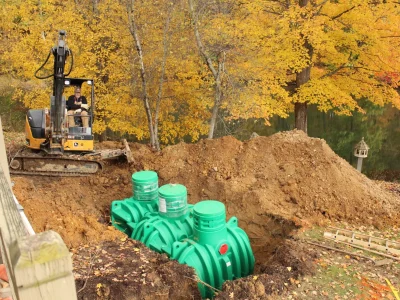
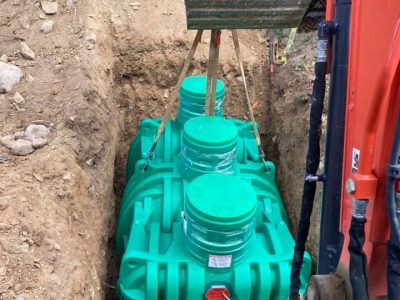
In Wantage, septic problems rarely announce themselves at a convenient time. They show up during a home sale, after a heavy spring thaw, when a building permit is already in motion, or right when a property owner assumes a simple replacement will be routine. That is usually the moment people learn an important distinction: not every septic issue is a pumping issue, a plumbing issue, or a straightforward installer issue. Some situations call for engineering.
That matters more in Sussex County than many people realize. Lots can be irregular. Slopes can complicate layout. Groundwater conditions may shift seasonally. Older homes may sit on systems that were installed under standards very different from current code expectations. Add an addition, a bedroom count change, a subdivision plan, or a failing disposal field, and the project can move beyond ordinary repair into something that needs design judgment, soil interpretation, and permitting strategy.
If you own property in Wantage and are trying to decide whether you need a specialist in septic engineering and design, the short answer is this: hire one when the site, the system, or the permit path is no longer simple. The longer answer is where the real value lies, because hiring the right specialist early can save months of delay, several rounds of redesign, and in some cases tens of thousands of dollars spent solving the wrong problem.
What a septic engineering specialist actually does
People often use the term loosely, but septic engineering is not just drawing a replacement field on paper. A specialist evaluates the property as a working site, not just a parcel line on a survey. That means understanding the relationship between soils, limiting zones, topography, building use, water demand, setbacks, and local approval requirements.
In practice, septic engineering and design Wantage NJ projects often begin with the question behind the question. A homeowner may ask, “Can I replace my failed system?” but the real issue might be whether there is enough suitable area left on the lot for a code-compliant design. A buyer may ask, “Will this house pass inspection?” while the bigger question is whether a marginal system can be legally repaired or whether a complete redesign will be triggered by current standards. A builder may ask, “Can I place the house here?” when the more consequential question is whether the grading plan will leave enough room for a functional septic reserve area.
A seasoned specialist reads all of that together. They coordinate soil testing, interpret site constraints, evaluate design options, prepare plans for permit submission, and often communicate with local officials, surveyors, installers, and sometimes real estate attorneys or lenders. Their work sits at the intersection of science, regulation, and practical construction.
The point where a routine septic issue becomes an engineering issue
Some septic work is indeed routine. A tank may need pumping. A broken baffle may need repair. A clogged effluent filter can be cleaned. A distribution box can sometimes be adjusted or replaced. Those are important tasks, but they do not always require engineered redesign.
The line is crossed when the fix cannot be responsibly chosen without formal site analysis or system design. That tends to happen in a few common ways.
An existing system may be failing on a lot with limited usable area. A replacement then becomes less about swapping parts and more about proving where a compliant system can fit. Or a homeowner wants to add bedrooms, finish a basement with additional living space, or convert a seasonal property to year-round use. At that point, wastewater flow assumptions change, and the old system size may no longer support the intended use.
Sometimes the issue is less dramatic but just as technical. A property with high seasonal groundwater, rock close to grade, steep slopes, or awkward setbacks from wells, streams, or property lines can eliminate standard layouts. You may still be able to build or repair, but only with careful engineering and, in some cases, alternative system approaches that require tighter design and oversight.
I have seen property owners spend weeks calling pumpers and installers for prices before realizing no one can quote meaningfully until the site has been evaluated. That is a costly detour. When constraints drive the project, design comes first.
Warning signs that you should bring in a specialist early
The clearest cases are not hard to spot once you know what to look for. If any of the following apply, it is wise to speak with someone experienced in septic engineering and design Wantage NJ before you commit to construction plans, a closing date, or even a repair strategy:
- The property has a failing or failed septic system and limited open area for replacement.
- You plan to add bedrooms, expand the home, or change the building use.
- The lot has slope, wet areas, shallow rock, or a history of drainage problems.
- A permit, subdivision, or new construction plan depends on septic approval.
- You are buying or selling a property with an older or undocumented septic system.
That list is short, but each item covers a lot of real-world complexity. A “limited open area” lot might mean the reserve area is already compromised by a driveway, grading, retaining walls, a pool plan, or simply the shape of the parcel. A “change in use” may sound minor, but regulators and designers focus on projected wastewater load, not how lightly you think the space will be used. A finished room with a closet can carry implications if it changes bedroom count in the eyes of permitting authorities.
Why Wantage properties often deserve a closer look
Rural and semi-rural areas reward assumptions less than people expect. In a denser suburban setting with municipal sewer, the lot may be constrained in one way but simple in another. In Wantage, septic suitability is often one of the core development questions, especially for older parcels and custom homes.
Topography is one factor. Even when a site looks manageable from the driveway, the buildable area can tighten quickly once you account for contour changes and required setbacks. Water movement is another. Surface dryness in August tells you almost nothing definitive about what the soil profile does during wetter seasons. Then there is history. Some systems in the region were built decades ago and may have incomplete records, modifications over time, or repairs that solved symptoms without fully restoring long-term function.
That is where local experience matters. An engineer or designer who works regularly in the area tends to recognize patterns faster. They know when a seemingly generous backyard is less useful than it appears. They know how to read the practical impact of a perched water table, an old well location, or a prior disturbance area. They also know that a project can fail on paper even when it seems physically possible, simply because a required setback or reserve area is not being protected.
Home additions are a common trigger
One of the most common reasons people need septic engineering is not a failure at all. It is a home improvement project.
A family buys a house that worked well for two people and wants to make it work for five. They add a bedroom over the garage, finish the basement, or create an in-law suite. The septic system may have functioned adequately under the original occupancy pattern, but that does not mean it is properly sized for the new one. In many jurisdictions, bedroom count remains a major basis for design flow. Even if your actual household is small, the system is typically evaluated for the potential use of the structure.
This becomes especially important before plans are finalized. Architects and homeowners sometimes focus on interior layout, then discover late in the process that the septic capacity or replacement area cannot support the desired expansion. At that point, revisions become expensive. A specialist can often flag that issue before the design gets too far, which is one of the most underrated forms of cost control.
I have seen projects where a modest layout change inside the home avoided a much larger septic redesign outside. I have also seen the opposite, where a homeowner insisted on preserving a floor plan and ended up needing a much more involved site solution. Neither outcome is inherently wrong, but those trade-offs should be made intentionally, with clear numbers and constraints on the table.
Failed systems are not all solved the same way
A wet patch in the yard, sewage odors, slow drains, or backups may point to septic failure, but symptoms do not tell you the remedy by themselves. That is a major reason to involve the right specialist when repairs stop being simple.
An older system may be failing because the disposal field has reached the end of its service life. Or it may be suffering because roof drainage, sump discharge, or grading changes are overloading the area. A tank issue can mimic a field issue. Plumbing defects can be mistaken for septic defects. On some sites, the original system may have been marginally placed to begin with and worked only because water use was lower years ago.
The practical danger is spending money on partial work that does not address the governing problem. A property owner replaces one component, sees short-term improvement, and assumes the issue is fixed, only to face a larger failure months later. A competent septic engineer or designer approaches the problem more systematically. They ask what is failing, why it is failing, whether it can be repaired under current standards, and where a compliant replacement can go if repair is not enough.
That process is not glamorous, but it is usually where real savings happen.
Real estate transactions are another moment to stop guessing
Septic uncertainty can derail closings faster than many buyers expect. Wantage has plenty of attractive homes on private systems, and most function perfectly well, but the age and documentation of those systems vary. When a property is under contract, time compresses. Buyers want answers. Sellers want a path forward. Lenders may have their own requirements. That is a poor environment for assumptions.
If a system is older, undocumented, visibly compromised, or tied to planned renovations after purchase, an engineering review can be the difference between an informed decision and an expensive surprise. I have seen buyers walk away from properties with solvable septic issues simply because no one framed the problem correctly. I have also seen buyers move forward on the assumption that “it just needs a new field,” only to discover the lot constraints made replacement far more involved.
A specialist is valuable here not because every transaction requires complex design, but because some do, and the cost of misreading the site can be substantial. In many cases, a clear feasibility opinion early in due diligence is worth far more than a rushed repair estimate from someone who has not evaluated the full property constraints.
New construction and lot development almost always justify early engineering input
For vacant land, septic design is often one of the deciding factors in whether a project is viable at all. Buyers sometimes fall in love with a parcel based on views, access, or price per acre, then treat wastewater disposal as a box to check later. On a site without public sewer, that approach can backfire.
The building envelope, grading strategy, well location, driveway alignment, and stormwater handling all interact with septic layout. If those elements are designed in isolation, they tend to compete for the same usable ground. A septic specialist helps sequence the site logically, so the house is not placed where the system should have gone, and the reserve area is not casually consumed by landscaping or hardscape decisions.
This is equally true for subdivisions, family lot carve-outs, and plans to build on property that has been in the family for years. Land that seems ample on paper may have surprisingly limited suitable area once setbacks and soil conditions are mapped. Early engineering does not guarantee approval, but it gives you a realistic foundation before you spend heavily on design, legal work, or financing.
Challenging soils and site conditions change everything
Some sites are easy to overestimate. Flat ground can still have poor soils. A pretty wooded lot can hide shallow rock. A broad lawn can have seasonal high water that makes conventional layout difficult.
That is why visual judgment from the surface only goes so far. Proper evaluation depends on site investigation, including soil characteristics and limiting conditions that affect how wastewater can be treated and dispersed. Those findings do not just influence whether a system can fit. They influence what kind of system may be appropriate, how large it needs to be, and how it should be protected over time.
On constrained sites, septic engineering and design Wantage NJ the design question is rarely “Can I put a septic system somewhere?” It is “Can I place a system that meets requirements, functions reliably, can be installed without damaging the suitable area, and leaves a protected reserve?” That is a much higher bar, and it is the kind of question specialists are trained to answer.
What a good specialist can save you from
The value of hiring a specialist is not limited to creating a plan. Often, the real value is in preventing avoidable mistakes. A few of the most common are worth calling out:
- Designing a home addition before confirming septic capacity
- Assuming an installer can solve a siting problem without engineering
- Disturbing the future replacement area during grading or landscaping
- Buying a lot based on acreage rather than usable septic area
- Pursuing a cheap repair that delays, rather than solves, a failing system
Each of those mistakes can cost real money. Some cost a few thousand dollars in redesign and permit delays. Some cost much more. A disturbed disposal area may require a new approach altogether. A lot purchased without adequate due diligence may never support the intended build. A rushed repair can absorb budget that should have gone toward a durable solution.
The common thread is timing. The earlier the constraints are understood, the more options you usually have.
How to know the specialist is looking at the whole picture
Good septic professionals do more than answer the narrow question asked. They usually widen the frame. If you say, “I need a bigger system,” they ask how the home is changing. If you say, “The yard is wet,” they ask about drainage patterns, downspouts, pumps, and seasonality. If you say, “I want to build here,” they ask what else must fit on the lot now and later.
That broader view matters because septic decisions are sticky. Once the house is sited, the driveway cut in, and grading approved, the easy flexibility is gone. A good engineer or designer thinks ahead to maintenance access, reserve area protection, construction disturbance, and the fact that homes change hands. The best plans are not just approvable, they remain workable for the next owner too.
You should also expect honesty about trade-offs. Not every lot supports the ideal layout. Not every existing house can be expanded as hoped. Not every failing system can be repaired cheaply. A credible specialist does not blur those realities. They explain them in plain language and show where the decision points are.
Timing matters more than most owners expect
People often call after they have already committed to plans, budgets, or contract dates. Sometimes that still works out fine. Sometimes it turns a manageable project into a compressed one.
If you are planning an addition, call before the drawings are locked. If you are buying land, call before the due diligence clock becomes a countdown. If you are listing a property with an aging system, consider getting clarity before a buyer’s inspector forces the issue. If you are seeing signs of failure, do not wait for a total backup to begin evaluating options.
Permitting, testing, design revisions, municipal review, and contractor scheduling all take time. Weather and season can also affect field work and installation timing. In northern New Jersey, a project that starts late can easily roll into the next season if early evaluation is skipped.
The bottom line for property owners in Wantage
Hiring a specialist is not about making a septic project more complicated than it needs to be. It is about recognizing when the project is already complicated, whether anyone has admitted it yet or not.
If your property is changing, your system is failing, your lot is constrained, or your permit path depends on septic approval, engineering is not an extra. It is often the framework that keeps every other decision from drifting off course. That is especially true for septic engineering and design Wantage NJ work, where site conditions, older systems, and rural property layouts can produce hidden constraints that only show up under careful review.
A well-timed consultation can answer the question behind the question. Can you expand the home? Can you replace the system legally? Can the lot support the build you want? Can the closing proceed without a future septic dispute waiting in the yard?
Those are not small questions. They deserve more than a guess, and they are usually far less expensive to answer before the ground is disturbed than after.
Excavating New Jersey LLC
406 County Road 565
Wantage, NJ 07461
(973) 791-4284
FAQ About septic engineering and design Wantage NJ
Who can design a septic system?
A New Jersey licensed professional engineer can assess the property and prepare the design. The local administrative authority can explain the applicable submission and permit requirements.
Why would I need an engineered septic system?
Soil conditions, groundwater, setbacks, lot size, or the expected wastewater flow can affect which designs are suitable. A site evaluation helps identify options for the property.
How much does it cost for an engineer to design a septic system in NJ?
Costs vary with site conditions, testing, surveying, and the scope of the design. Ask for an itemized quote that separates engineering, tests, permits, and installation.