29 September 2026
Norweco Singulair Green Wantage NJ: Planning for Installation and Care
Presented by @andyjwrx053

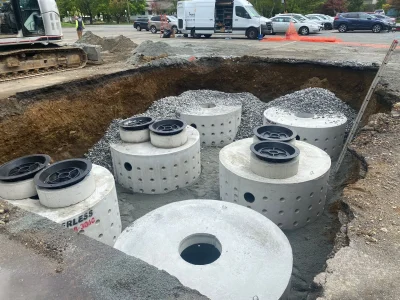
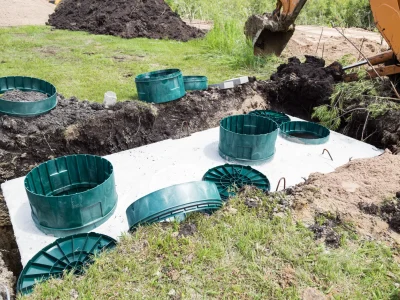
Homeowners in Wantage tend to think about wastewater systems only when something forces the issue. A house lot fails a standard septic design, an older tank reaches the end of its useful life, or an addition changes the daily water load enough that the old setup no longer feels like a good bet. That is often when advanced treatment systems enter the conversation, and the Norweco Singulair Green is one of the names people hear.
If you are exploring a norweco singulair green Wantage NJ installation, the real work starts well before the tank and control panel arrive. The success of the system depends on site planning, local approvals, water use habits, and routine care after startup. The equipment matters, but the process matters just as much.
I have seen excellent systems perform poorly because they were squeezed onto a marginal site without enough attention to grade, drainage, access, or owner expectations. I have also seen advanced treatment units run for years with very few headaches because the planning was realistic from the first meeting. That difference rarely comes down to a brochure. It usually comes down to decisions made early.
Why this system comes up in Wantage
Wantage has the kind of conditions that push homeowners and designers toward alternatives to conventional septic layouts. Lot shape can be limiting. Soil depth may be less forgiving than expected. Seasonal groundwater, ledge, slopes, and proximity to wells or property lines can narrow the options quickly. On paper, a lot may look large enough. On the ground, the usable area can shrink fast.
An advanced treatment system like the Norweco Singulair Green is often considered when a property needs higher quality effluent treatment before final dispersal. That can help support a site plan where a basic septic arrangement is not the best fit. It does not make site limitations disappear, but it can create a path forward where there would otherwise be a dead end.
For homeowners, that usually means balancing three realities at once. First, the upfront cost is typically higher than a standard gravity system. Second, the treatment level can be a major advantage on a challenging property. Third, the system asks more of the owner after installation, because it relies on mechanical components, electrical service, and regular maintenance.
That trade-off is worth understanding before you commit. If you want a system that you can forget for twenty years, an advanced aerobic treatment unit may not match your expectations. If you need a higher-performing treatment approach for the site you have, it can be a very practical answer.
Start with the site, not the equipment
The temptation is to begin by comparing brands and model names. In practice, the first serious question is whether the property supports the design approach being proposed.
A proper site evaluation should look at soil conditions, elevations, limiting layers, drainage patterns, and the available area for both treatment and dispersal. It should also account for traffic patterns on the property, because too many systems get placed where future driveway changes, sheds, or landscaping projects create trouble later. A homeowner may not think twice about parking a loaded trailer over a buried line until the ground starts to settle.
In a place like Wantage, winter conditions deserve attention too. Frost depth, snow removal patterns, and seasonal wet periods affect everything from excavation timing to venting and access for service. I have seen installations where the physical treatment unit was well chosen, but the risers ended up in awkward locations under plowed snow banks or behind dense shrubbery. That sounds minor until a technician needs access in January.
There is also the issue of daily water habits. A system should be sized and selected for the house and expected occupancy, but design flow and lived behavior are not always the same thing. A family with frequent guests, a finished basement norweco singulair green Wantage NJ apartment, or back to back laundry days places different demands on the system than a retired couple who spend half the year away. Good planning accounts for how the home is actually used.
What a Norweco Singulair Green setup generally involves
The Singulair Green is an aerobic treatment system, which means it uses oxygen and mechanical treatment processes to improve wastewater quality before discharge to the disposal field or other approved dispersal method. It is not just a passive tank in the yard. It is an active piece of equipment with components that need power and service.
That active treatment is one reason these systems can be useful on constrained sites. Better treatment quality can support designs that would be harder to justify with a conventional septic setup alone. At the same time, active treatment means there are more moving parts, more operating expectations, and less room for neglect.
Homeowners sometimes focus on the tank and overlook the supporting pieces. Electrical routing matters. Alarm placement matters. Access for pumping and service matters. The dispersal area still matters. So does drainage around the installation area. A treatment unit cannot compensate for roof leaders dumping into the wrong place or surface runoff washing across a field.
This is where an experienced installer earns their value. The best ones do not just install the unit according to a diagram. They ask the uncomfortable questions early. Where will the service tech park? Can a pump truck reach the risers without tearing up a retaining wall? Is the owner likely to landscape over critical access points? Those questions save money later.
Permitting and local coordination
No homeowner enjoys the permit stage, but it is where expensive mistakes are prevented. Requirements vary by jurisdiction and site conditions, so the right move is to work with a licensed designer, installer, and local officials who understand what is required for the property. In Sussex County and surrounding areas, site-specific review can be a serious part of the timeline, not a minor formality.
Expect the planning process to involve design review, health department or local code approvals, and sometimes revisions after field conditions are verified. That is normal. A test pit or field observation can change the design in ways that are frustrating in the moment but important for long-term performance.
One common homeowner mistake is scheduling other work too tightly around septic approval. They line up a patio contractor, driveway paving, and a closing date as if every approval will happen in a straight line. Wastewater planning rarely behaves that neatly. Give yourself margin. If a design needs adjustment, you want time to do it without rushing the excavation or cutting corners.
Budgeting beyond the initial quote
When homeowners compare proposals, they often compare only the visible installation number. That can be misleading. The real cost picture usually includes design work, permits, excavation complexity, imported material if needed, electrical service to the unit, pump components when applicable, startup, and long-term service.
A flat site with easy access and favorable soil is one thing. A sloped yard with ledge, long trench runs, and limited equipment access is another. The same treatment unit can cost very different amounts to install depending on what the property demands.
It helps to think in two budgets. The first is installation. The second is ownership. Ownership includes inspection and maintenance visits, pumping at recommended intervals, electricity for operation, replacement of wear components over time, and occasional repairs. None of that makes the system a bad choice. It just means the purchase decision should be honest.
Homeowners sometimes ask whether an advanced treatment system saves money in the long run. The most accurate answer is that it can save a project that might otherwise stall or require a less practical house plan, but it is not usually the cheapest path if a standard gravity septic system is fully feasible and appropriate. Its value often lies in making a difficult site workable.
Choosing the right installation team
A good outcome depends heavily on the team, not just the product. The designer, installer, electrician, and service provider all shape how the system performs after the trench is backfilled.
Look for a contractor who is comfortable explaining the reasoning behind the layout. If someone cannot clearly tell you why the unit goes in one area instead of another, or how they are protecting access for future service, that is worth noticing. The strongest contractors usually speak in practical terms. They mention grades, maintenance access, pump-out clearance, wiring protection, stormwater flow, and what will happen after a wet spring.
Here are a few questions worth asking before work begins:
- Who will handle startup, owner orientation, and service coordination after installation?
- How will the final grading protect the system from surface water and vehicle traffic?
- Where will access risers, alarms, and electrical components be located?
- What maintenance schedule should the homeowner expect in the first year and after?
- If field conditions differ from the approved plan, who has authority to revise the layout?
These are not flashy questions, but they reveal whether the job is being treated as a system or as a one-day install.
Installation details that affect long-term performance
The installation day itself tends to get the most attention, but many of the important details are quiet ones. Tank elevation has to be right. Pipe runs need the correct pitch. Electrical connections need to be protected and accessible. The finished grade should shed water away from the system without directing runoff toward the dispersal area.
Backfill quality matters more than some homeowners realize. Poor compaction or the wrong material can lead to settlement, surface depressions, and stress on connected piping. On a landscaped property, that can turn into standing water, mower damage, or repeated trips from one contractor to fix what another disturbed.
Access is another point that gets overlooked. A neat-looking yard is nice, but not at the cost of burying lids, alarms, or service points under decorative stone, fencing, or raised beds. A treatment system needs routine attention. If a technician has to dismantle part of the landscape every time they come out, service quality tends to drop and owner frustration tends to rise.
Weather can also change the rhythm of the work. In northern New Jersey, a wet period can soften access paths and slow excavation. Winter installs can be done, but frozen ground and snow cover complicate grading and final restoration. Sometimes the right answer is simply to wait a few weeks for better conditions rather than force the schedule.
Living with the system after startup
Once the Norweco Singulair Green is installed and commissioned, the homeowner becomes part of the system's success. That is not a burden so much as a shift in mindset. You are no longer managing a passive tank alone. You are managing a treatment unit that responds to use patterns and maintenance quality.
The biggest day-to-day issue is usually water use consistency. Like many treatment systems, performance is better when flows are reasonably steady. A household that dumps several days of laundry into one afternoon, hosts a holiday crowd, and then leaves the property empty for long stretches can create more stress than one with the same monthly water volume spread evenly. The answer is not to live nervously. It is simply to avoid unnecessary surges when practical.
What goes down the drain matters too. Wipes, grease, harsh chemical dumping, and non-biodegradable material cause problems in almost any wastewater system, but advanced treatment equipment is particularly unforgiving of abuse. People hear "flushable" on a package and assume the system agrees. It usually does not.
I once walked a homeowner through repeated alarm issues that turned out not to be a mechanical defect at all. The real problem was a pattern of heavy bleach use combined with long vacancy periods and then intense weekend occupancy. The system was not broken. It was reacting to a set of habits no one had discussed at the start. Once those habits changed and routine service resumed, the trouble eased.
Maintenance is not optional
A Norweco Singulair Green system should be maintained according to manufacturer guidance and local requirements, typically by qualified service personnel familiar with the equipment. That maintenance is part of ownership, not an extra you can postpone indefinitely.
A proper service visit generally goes beyond a quick glance. It may include checking aeration components, control functions, alarms, sludge levels, effluent quality indicators, and the overall condition of the unit and connected components. If a pump or blower starts showing signs of wear, catching it early can prevent a larger failure.
Homeowners should also keep a simple record of service dates, pumping history, alarm events, and any repairs. That is especially useful if the house is sold later. Buyers tend to feel more comfortable when wastewater system records are organized and current. It also helps a new service technician understand the system's history without guesswork.
A sensible homeowner care routine usually includes the following:
- Keep risers and access lids visible and reachable year-round.
- Direct roof runoff, sump discharge, and surface drainage away from the system area.
- Spread out heavy water use when possible, especially laundry and long shower cycles.
- Do not drive, park, or place heavy structures over tanks, lines, or disposal areas.
- Respond to alarms promptly instead of waiting to see if they "clear themselves."
That last point matters. An alarm is not always a catastrophe, but it is always worth attention. A quick call can turn a service issue into a routine adjustment rather than an emergency norweco singulair green Wantage NJ pump-out.
Seasonal care in Wantage
Local climate changes how owners should think about care. In summer, extra guests and outdoor water use can change indoor wastewater patterns. In fall, people often forget that leaf piles, regrading, and late landscaping projects can block access or alter drainage. Winter brings snow cover and freezing risks around exposed components if covers are damaged or missing. Spring is when saturated soils reveal whether surface water management was done properly.
One practical habit is to walk the system area a few times a year, especially after major storms or snowmelt. You are not performing technical diagnostics. You are looking for obvious changes, such as ponding, settling, lush or uneven vegetation, exposed components, or signs that runoff is moving toward the field. Catching those issues early can spare you a much larger correction later.
If the property is a seasonal home or sits vacant for stretches, tell your service provider. Intermittent occupancy can affect how the system behaves, and service recommendations may need to reflect that pattern.
Trouble signs homeowners should not ignore
Wastewater systems usually whisper before they shout. A faint odor near the treatment area, soggy ground where it should be dry, a recurring alarm, or fixtures draining oddly can all point to a developing issue. None of those symptoms confirms one single cause. The problem could be hydraulic overloading, a mechanical component, a clogged line, poor drainage, or deferred pumping. But the longer you wait, the wider the repair possibilities become.
Another overlooked sign is landscape change. Grass that suddenly grows much faster in one strip, or a shallow dip that was not there before, may be telling you something about settlement or moisture movement. Homeowners tend to explain these changes away because they happen gradually. Service technicians notice them because they have seen the pattern before.
The right response is not panic. It is documentation and a service call. Take a few photos, note when you first noticed the issue, and report any recent events that might matter, such as parties, plumbing backups, heavy rain, or electrical outages. That context helps with diagnosis.
Selling a home with an advanced treatment system
A properly installed and maintained advanced treatment system is not a black mark on a property, but it does raise questions from buyers who are unfamiliar with it. The best way to make that easier is transparency. Keep plans, approvals, maintenance records, and service contacts together. If there are owner instructions or a maintenance agreement, have them ready.
Buyers usually want to know three things. Is the system legal and documented, has it been maintained, and what does ownership cost? If you can answer those clearly, the conversation becomes much smoother. Uncertainty is what scares people, not the existence of the system itself.
This is another reason not to defer service. A stack of missing years in the maintenance record turns a normal system into a negotiation problem during sale.
A realistic view of ownership
For the right Wantage property, the Norweco Singulair Green can be a practical and durable answer. It can help unlock a buildable plan or provide a treatment approach better suited to site constraints than a basic system alone. But it asks for informed ownership. You need competent design, careful installation, regular service, and sensible household habits.
That may sound demanding, though in practice it usually means choosing good professionals at the start and paying attention afterward. The homeowners who do best with these systems are not obsessive. They are simply consistent. They know where the components are, they keep records, they address alarms, and they do not treat the yard over the system as an afterthought.
If you are researching norweco singulair green Wantage NJ, the smartest next step is not to chase the lowest number or the fastest install date. It is to evaluate the site carefully, ask direct questions about maintenance and layout, and make sure the people involved are thinking beyond the day of installation. When that happens, the system has a fair chance to do what it was designed to do, quietly and reliably, for years.
Excavating New Jersey LLC
406 County Rd 565
Wantage, NJ 07461, United States
Phone: +1 (973) 791-4284
FAQ About norweco singulair green Wantage NJ
How does a Norweco septic system work?
Singulair Green uses aerobic biological treatment in a polyethylene tank, followed by settling and filtration. The treatment unit is one part of a complete wastewater system; the site design also determines how treated effluent is dispersed.
How much does a Norweco septic system cost in NJ?
A useful estimate requires a property evaluation. Excavation access, soil conditions, engineering, electrical work, the disposal field, and restoration can affect the total. Ask Excavating New Jersey LLC for a written scope that distinguishes installation costs from ongoing service costs.
Are Norweco septic systems good?
Singulair Green is an established aerobic treatment option, but suitability depends on the property and proposed design. Compare the model's documented performance, maintenance needs, and total project scope with alternatives before deciding.